In the bustling work environments of cities, burnout has become an increasingly prevalent issue among professionals. A startling 82% of white-collar workers report experiencing burnout, according to a global survey by DHR Global. Left unchecked, stress can significantly influence eating habits; some lose their appetite, while others seek solace in high-calorie comfort foods.
The connection between nutrition and stress is particularly noteworthy, as selecting the right foods and practising mindful eating can help in stress relief. In this blog, we will explore effective dietary strategies on how to recover from burnout, focusing on foods that can contribute positively to a burnout diet.
Burnout is not just a buzzword; it’s a real condition that can insidiously take hold, leaving individuals feeling depleted and detached from joy and passions. When we’re under chronic stress, our body’s response systems, like the release of cortisol and adrenaline, can become dysregulated. People experiencing burnout might suffer from physical symptoms such as headaches, stomachaches, intestinal problems, chronic fatigue, insomnia, and frequent illnesses. Moreover, the emotional toll of burnout often manifests in behaviors like emotional eating. This imbalance makes it challenging to control one’s eating habits, leading to a cycle of stress eating that further complicates their ability to make positive changes in their behavior, especially concerning diet.
To effectively manage burnout, one should address multiple aspects such as altering lifestyle habits, seeking psychological support, and potentially consulting medical professionals. Often overlooked, however, is the foundational role that diet plays in this process, which we aim to highlight as a crucial element. In everyday life, the relationship between stress and nutrition is significant; stress impacts our food choices, while our dietary intake can, in turn, influence our stress levels. Beyond merely fueling our body, food acts as a powerful ally in building resilience, revitalizing energy, and fostering overall well-being, especially during times of burnout.
Neurotransmitters are chemical messengers dispatched by neurons to communicate with the brain and body, influencing the synthesis of mood-enhancing compounds such as dopamine, serotonin, and endorphins.Consuming foods rich in tryptophan provides the building blocks for serotonin synthesis, potentially improving mood and sleep quality. Similarly, a diet rich in tyrosine supports the production of dopamine, which can help counteract the negative effects of stress on motivation and focus.
Nutrients such as vitamin C and omega-3 fatty acids play crucial roles in regulating cortisol, a primary stress hormone. Vitamin C not only bolsters the immune system but also aids in reducing stress. On the other hand, omega-3 fatty acids have been demonstrated to directly impact cortisol levels. According to a study published in PubMed Central, supplementation with omega-3 fatty acids significantly lowers overall cortisol and inflammation during stress and increases levels of telomerase and anti-inflammatory activity during recovery.
Under stress, the body produces more free radicals, leading to oxidative stress. Antioxidant-rich foods, such as berries, dark leafy greens, nuts, and seeds, are high in antioxidants like vitamin E, flavonoids, and polyphenols. These compounds neutralize free radicals, reducing inflammation and cellular damage. This can help alleviate the physical symptoms of burnout like fatigue and frequent illnesses by promoting cellular repair and reducing oxidative stress.
Consuming complex carbohydrates can stabilize blood sugar levels. Foods like whole grains, legumes, and vegetables release glucose slowly into the bloodstream, preventing the rapid spikes and crashes in blood sugar that can lead to mood swings, irritability, and energy fluctuations.
A balanced gut microbiome has been linked to improved mood regulation and stress resilience. This is because the gut produces neurotransmitters like serotonin and communicates with the brain via the vagus nerve. Consuming enough fibrous foods, which serve as prebiotics, along with probiotics, can promote the growth of beneficial bacteria. This leads to better digestion, improved nutrient absorption, and a reduction in inflammation, all of which can positively impact mental health and stress management.
To effectively recover from burnout, integrating a well-balanced diet can significantly support your mental and physical health. Each meal can be an opportunity to support your body and mind, helping you to reclaim your energy, focus, and joy. In a burnout diet, here’s what you should be putting on your plate:
Now that we’ve covered the basics of crafting a burnout recovery diet, let’s delve into some specific foods that can act as your stress-relief superheroes:
Incorporating mentioned nutrition foods into your diet can provide you with an extra layer of support in your journey to recover from burnout. Remember, each bite can be an act of self-care, helping you to rebuild your resilience and reclaim your peace of mind. By focusing on not just what you eat but how you eat, you can further reduce stress and promote a healthier relationship with food. The basic practice of mindful eating includes:
If you’re struggling to find a starting point to beat burnout and need some external assistance, joining Zulal’s Burnout Recovery Retreat might just be the structured, holistic program you’ve been looking for. We’re here to help you with stress management, mental and emotional balance, and deep relaxation – the trifecta of burnout recovery.
First things first, you’ll get to know your personal Health and Wellness advisor right after you arrive. This isn’t just a chat; it’s your roadmap to recovery. We’ll dive into your current health status, set your goals, and tailor your experience with treatments and activities that are perfect for you. Want to go the extra mile? Opt for a body assessment or a nutrition consultation to fine-tune your program even more.
At Zulal, we believe that every meal is a step towards recovery. Our chefs whip up organic, whole foods in dishes that are not only nutritious but also a feast for the eyes and taste buds. It is predominantly gluten-free and sugar-free, yet it still delights with its rich flavors. Wellness cuisine integrates Traditional Arabic Islamic Medicine (TAIM) approach to diet, considering Quranic foods and healing herbs in menu planning, enhancing the healing properties of each dish. Imagine nourishing your body with flavors that comfort and heal, all while knowing that each bite is designed to support your journey back to balance.
The spa – your sanctuary within a sanctuary. Here’s where you’ll find treatments that are like magic for your mind and body. Craving some tranquility? Try Sound Healing, Abhyanga, Shirodhara, or a Crystal Aroma Massage to soothe your soul. Or, if you’re looking to rejuvenate your physical self, dive into treatments like Upper Body Tadleek or the Neurac Method. We’ve got you covered for both relaxation and recovery.
Recovery isn’t just about resting; it’s also about gentle movement. Zulal Wellness Resort by Chiva-Som provides a range of fitness and leisure activities to complement your burnout recovery. Whether it’s practicing yoga to find your zen, taking a leisurely swim in our pristine pools, or simply enjoying the serene beauty of nature, we’ve got activities that’ll help you find that perfect balance of activity and rest.
Our exploration of burnout recovery has shown the significant impact nutrition and mindful eating can have on mental health and overall well-being. Remember, combating burnout isn’t just about the food on your plate; it’s about nurturing a lifestyle that promotes balance and peace. Whether you choose to embark on this journey with us at Zulal or on your own, know that recovery is possible. Here’s to reclaiming your energy, focus, and joy, one mindful bite at a time.
Diet plays a critical role in regulating the body’s inflammatory responses and overall health. When the body’s immune system feels overloaded by dietary or food pattern triggers, it can cause a response that affects the way heal. Acute inflammation, for example, after a muscle strain or a bump on the head, is useful as a way to protect cells in the body, but long term low grade inflammation has the potential to lead to chronic conditions including metabolic changes that can affect the lining of blood vessels due to increases in blood sugar and fat. Processed food can alter the balance of gut bacteria, and those with dietary sensitivity may also encounter pro-inflammatory cytokines which are small proteins that signal cell communication.
Certain foods can exacerbate inflammation, while others have anti-inflammatory properties. By making informed dietary choices, individuals can improve their body’s ability to regulate inflammation and enhance their overall well-being.
Certain food has the potential to influence the body’s natural balance, accelerating the inflammatory process. These include:
These products are often seen as bad for your health and can increase the risk of chronic illnesses like Type 2 Diabetes and Heart Disease. One of the key reasons behind this is inflammation. On top of that, unhealthy food can lead to weight gain, which is another trigger for inflammation. And it’s not just about the extra calories—some ingredients can cause inflammation on their own.
On the flip side, plenty of natural produce can help reduce inflammation and lower your risk of chronic diseases. Eating an anti-inflammatory diet is all about following a healthy, balanced approach. Think fruit, veggies, nuts, whole grains, fish, and healthy oils, diets typically found within the Mediterranean.
Here are some specific ingredients that flight inflammation, and how they work.
Mushrooms are a powerful source of ergothioneine, an amino acid and antioxidant that helps prevent or slow cellular damage. Certain varieties like shiitake, oyster, lions’ mane, and king oyster have higher amounts, but any variety can lower the risk of cancer. Ergothioneine is actively transported into cells and concentrated in mitochondria, suggesting a specific role in protecting these components from oxidative damage.
Mushrooms also contain polyphenols, polysaccharides, vitamins, carotenoids, and minerals, all of which contribute to their significant antioxidant properties. These compounds protect against oxidative stress, which plays a role in ageing and chronic diseases.
Regular mushroom consumption may protect brain health and reduce the risk of mild cognitive impairment (MCI), a precursor to Alzheimer’s disease. A study in Singapore found that consuming more than two cups of mushrooms a week could lower the risk of MCI by 50%.
An easy way to introduce the benefits is to add some powders to your morning smoothie or overnight oats.
Both bee pollen and raw honey are also noted as good sources of antioxidants. Bee pollen is also rich in vitamins, minerals, amino acids, and enzymes that contribute to overall health. It has been shown to have anti-inflammatory properties and may help with allergies by desensitising the body to allergens.
Raw honey is known for its antibacterial and wound-healing properties. Its high sugar content helps create an osmotic effect, drawing moisture out of bacteria and killing them. This makes it effective in treating wounds and preventing infection.
In addition to their individual benefits, studies have shown that combining bee pollen and raw honey can enhance their therapeutic effects.
Studies suggest bone broth has protective effects against inflammatory conditions like ulcerative colitis. It can reduce levels of pro-inflammatory cytokines (IL-6, TNF-alpha) and increase anti-inflammatory ones (IL-4, interferon-gamma). This effect is linked to its histidine and glutamine content, with glutamine helping to reduce inflammation, particularly beneficial for gut inflammation issues.
Bone Broth is best enjoyed fresh, so we recommend seeking a source close to home or making it yourself. However, there are bone broth powders available that may be a practical alternative.
Just two 15-gram servings per day have been shown to reduce inflammation significantly, specifically lowering interleukin 1 beta and showing slight changes in master regulators of inflammation like NF-kappa B and NLRP3 inflammasome. Cacao nibs are also rich in fibre and dense with antioxidants. It is recommended to only consume Cacao Nibs in moderation.
This concentrated source of resistant starch acts as a powerful prebiotic fibre and has demonstrated significant anti-inflammatory effects. In a high-fat diet rodent model, it led to a massive reduction in inflammation related to adipose tissue and corrected hunger hormone feedback loops. It also induced a robust shift in the microbiome, reducing Firmicutes (associated with obesity) and increasing Bacteroidetes (associated with leanness).
Green Banana’s don’t taste great, so we recommend adding a small scoop of powder into your morning smoothie or juice.
This amazing product offers protection against inflammation by increasing nitric oxide and loweing prostagland in E2 in immune cells and suppressing COX-2 expression at a genetic level, leading to less inflammation. It is also potent at scavenging free radicals and protecting against shock from pathogenic inflammatory responses.
Packed with heart healthy, anti-inflammatory gamma-linolenic acid (GLA) and stearidonic acid (SDA), Hemp seeds are a great inclusion in a healthy, gut friendly diet. Proposed mechanisms include a microbiome shift and the presence of bioactive omega-3 lipids that impact the endocannabinoid system to modulate inflammation. Consume Hemp seeds in moderation.
Most berries are high in antioxidants; however, the anthocyanins in blueberries have powerful antioxidant capabilities. Beyond direct scavenging, they stimulate the body’s own production of antioxidants, such as superoxide dismutase and catalase, which work to neutralise reactive oxygen species. This makes them a highly anti-inflammatory fruit.
Probiotics play a pivotal role in maintaining harmony within the gut, serving as beneficial allies in the fight against inflammation. These live micro-organisms, often referred to as ‘good bacteria,’ help to restore balance to the gut microbiota, which is crucial for reducing inflammatory processes. By interacting with the cells of the gut lining, probiotics can enhance the production of short-chain fatty acids such as butyrate, which possess potent anti-inflammatory properties. Furthermore, they strengthen the intestinal barrier, reducing the likelihood of harmful bacteria and toxins entering the bloodstream. Incorporating probiotic-rich foods like natural yoghurt, kefir, or fermented vegetables into one’s diet can contribute to a more resilient gut environment, fostering both digestive health and broader systemic well-being.
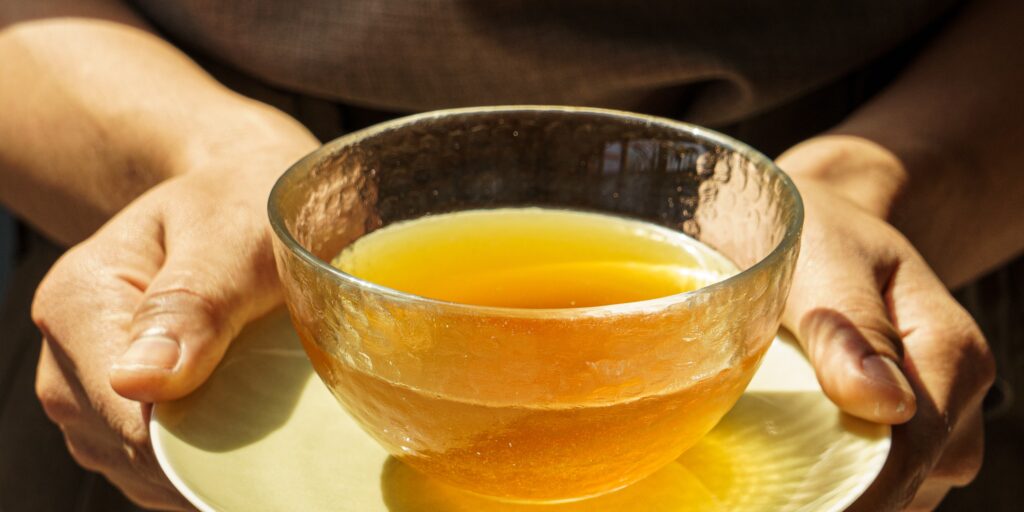
Chiva-Som Hua Hin’s dining offerings are designed to facilitate maintaining an anti-inflammatory diet through their focus on whole, natural ingredients, the inclusion of fresh produce from their organic gardens, and specific menu options like their pescatarian menu. An anti-inflammatory diet aims to reduce inflammation in the body, which is linked to various chronic diseases such as heart disease, diabetes, and certain cancers. Key principles of such a diet involve prioritising produce rich in natural antioxidants, such as polyphenols, while limiting refined carbohydrates, deep-fried food, sugary beverages, and processed meats.
Here’s how Chiva-Som Hua Hin’s approach aligns with these principles:
By focusing on fresh, natural, and unprocessed ingredients Chiva-Som Hua Hin’s dining offerings provide a framework that directly supports and facilitates an anti-inflammatory diet for its guests.

Q1: What are the general health benefits of incorporating mushrooms into one’s diet?
A1: Mushrooms offer numerous health benefits, providing a savoury flavour to meals without adding much fat, calories, or sodium. Research indicates they can:
Q2: How do edible mushrooms exert their antioxidant effects?
A2: Edible mushrooms possess significant antioxidant properties due to various bioactive compounds found in their fruit bodies, mycelium, and broth, including polyphenols (such as phenolic acids and flavonoids), polysaccharides, vitamins (C, E, A/carotenoids, D, and ergothioneine), and minerals (like selenium, zinc, copper, and manganese). These antioxidants work through multiple mechanisms:
Q3: What defines an anti-inflammatory diet and what foods should be included?
A3: An anti-inflammatory diet is an eating pattern designed to reduce chronic inflammation in the body, which is a key factor in various major diseases including cancer, heart disease, diabetes, arthritis, depression, and Alzheimer’s. This diet prioritises foods rich in natural antioxidants and polyphenols, which are protective compounds found in plants. Foods recommended for an anti-inflammatory diet include:
Q4: Which foods should be limited or avoided in an anti-inflammatory diet?
A4: To effectively reduce inflammation, it is recommended to avoid or significantly limit certain foods that are generally considered unhealthy and are linked to increased inflammation and chronic diseases:
Q5: What is Lion’s Mane mushroom and what are its key health benefits?
A5: Hericium erinaceus, popularly known as Lion’s Mane mushroom, is a distinctive medicinal fungus characterised by its unique appearance with long, white, hanging spines. It is highly regarded for its rich composition of bioactive compounds and diverse health-promoting properties. Its key health benefits include:
Neuroprotective properties: It is known to enhance cognitive function, improve memory and concentration, and protect against neurodegenerative diseases like Alzheimer’s (AD) and Parkinson’s (PD) by stimulating the synthesis of Nerve Growth Factor (NGF). Clinical trials have shown improvements in cognitive performance and reduction in neuropsychiatric symptoms in individuals with mild cognitive impairment or early-stage Alzheimer’s.
Anti-inflammatory activity: Its bioactive compounds effectively modulate key inflammatory pathways, regulating cytokine production, reducing oxidative stress, and balancing gut microbiota, thereby combating chronic inflammation.
Antioxidant potential: Lion’s Mane contains compounds that actively scavenge reactive oxygen species (ROS) and induce the body’s own antioxidant enzymes, helping to prevent cellular damage and combat aging-related diseases.
Antimicrobial activity: It demonstrates significant potential against various bacterial and fungal pathogens by disrupting microbial cell membranes, inhibiting biofilm formation, and modulating host immune responses. It has shown activity against Helicobacter pylori and Staphylococcus aureus.
Gastrointestinal health: Its prebiotic polysaccharides promote beneficial gut bacteria and gut integrity. It may also aid in the prevention and treatment of gastric ulcers and inflammatory bowel diseases (IBD).
Mood regulation: Some clinical evidence suggests it can help alleviate symptoms of anxiety and depression.
Q6: What are the primary bioactive compounds in Lion’s Mane mushroom responsible for its effects?
A6: The wide array of health benefits attributed to Lion’s Mane mushroom stems from its diverse and potent bioactive chemical composition:
Polysaccharides: Notably β-glucans, which are complex carbohydrates primarily known for their immunomodulatory, antimicrobial, and antitumor effects. They activate immune cells like macrophages and T lymphocytes, enhance the body’s defence against infections, and act as prebiotics to support gut health and reduce oxidative stress.
Terpenoids: These include two key groups: hericenones, found in the fruiting body, and erinacines, predominantly found in the mycelium. These compounds are crucial for their neuroregenerative and neuroprotective properties as they stimulate the synthesis of Nerve Growth Factor (NGF), which is vital for neuronal growth, maintenance, and survival. Erinacines are particularly notable for their ability to cross the blood-brain barrier. Both hericenones and erinacines also exhibit anti-inflammatory and antimicrobial properties.
Phenolic compounds: Such as gallic acid, caffeic acid, and p-coumaric acid, which contribute significantly to the mushroom’s strong antioxidant capacity by scavenging reactive oxygen species and inducing endogenous antioxidant enzymes.
Ergothioneine: A histidine-derived amino acid with potent antioxidant properties. It is actively transported into cells via a specific transporter (OCTN1) and plays a unique role in protecting mitochondrial components from oxidative damage, with implications for preventing neurodegenerative diseases.
Bioactive proteins: Including lectins, glucanases, chitinases, laccases, peroxidases, and ribosome-inactivating proteins, which contribute to immunomodulatory and antimicrobial activities. Lion’s Mane also provides essential nutrients such as B vitamins (B1, B2, B3, B5, B6), vitamin D precursors, and minerals like selenium and zinc.
Q7: What are the health benefits of honey and bee pollen?
A7: Both honey and bee pollen have a long history of medicinal use and offer several proven health benefits:
Rich in antioxidants: They contain plant chemicals and other compounds that are good sources of antioxidants, which can reduce the risk of chronic illnesses such as heart disease and gastro-intestinal diseases. Raw honey, in particular, is composed of bee pollen, bee propolis (a compound from tree sap), and numerous antioxidants.
Natural antibacterial and antifungal properties: Honey naturally contains antiseptic hydrogen peroxide, giving it the ability to kill harmful bacteria and fungi. Its acidity also helps release oxygen from a wound, promoting healing.
Wound healing agent: Depending on its specific properties, honey can boost healing time and reduce infection when applied to minor cuts or burns. Manuka honey, for example, is often used for this purpose. Even processed honey, despite having less nutritional value due to pasteurisation, retains healthful compounds like antioxidants, amino acids, and vitamins. Research suggests that honey, even raw honey with its sugar content, can be a healthier alternative to table sugar. However, individuals with bee allergies should avoid these products, and it’s advisable to consult a healthcare provider before making significant dietary changes.
Q8: How does Chiva-Som Hua Hin’s dining facilitate maintaining an anti-inflammatory diet?
A8: Chiva-Som Hua Hin’s dining offerings are thoughtfully designed to support guests in maintaining an anti-inflammatory diet through several core principles:
Emphasis on Whole, Natural, and Locally Sourced Ingredients: Their cuisine prioritises “delicious, nutritious and creative” dishes made from “whole, natural ingredients, sourced locally as far as we can”. This aligns directly with anti-inflammatory dietary guidelines that advocate for unprocessed foods to help reduce chronic inflammation and improve overall well-being.
Fresh Produce from Certified Organic Gardens: A pivotal aspect of their wellness cuisine concept is their certified organic gardens, which provide a direct and fresh supply of “fruits, vegetables, herbs and other edible plants” to their kitchens. Guests are welcome to visit these gardens and learn from chefs about the nutritional value of seasonal produce. This access to fresh, antioxidant-rich fruits and vegetables is fundamental to combating inflammation.
Dedicated Pescatarian Menu: The Emerald Room, one of the resort’s dining venues, offers a “dedicated pescatarian menu”. The inclusion of fatty fish, such as salmon, mackerel, tuna, and sardines, is a key recommendation for an anti-inflammatory diet, mirroring patterns like the Mediterranean diet, which are known for their health benefits.
Breakfast provides an energy boost and essential nutrients, and it enhances concentration, aids in weight management, and reduces the risk of chronic diseases. Whilst it can sometimes be challenging to eat breakfast, you can train your body to embrace breakfast by adjusting your evening meal habits, discovering a variety of breakfast options, and staying consistent in the timing of breakfast.
Vegetarians have the advantage of a diverse range of food options when it comes to crafting a nutritious breakfast. At Zulal Wellness Resort by Chiva Som, our nutrition experts have curated a selection of breakfast ideas that cater to vegetarians, ensuring a balanced and energy-boosting start to the day:
Administered by leading professionals within the serene surroundings of ซูลาล เวลเนส รีสอร์ท โดยชีวาศรม, guests can enjoy a holistic experience that combines aesthetic enhancements with comprehensive wellness programmes, such as the Natural Slimming Retreat and Sustainable Weight Loss retreats. These are designed to promote a healthier lifestyle through customised meal plans, fitness sessions and mindfulness activities, supporting you on a journey to long lasting weight loss and enhanced wellbeing.
For more healthy treatments, please visit the website and learn more about therapeutic cleansing at https://www.chivasom.com/en/zulal/facilities/ and book to begin your wellness journey.
Lorem Ipsum is simply dummy text of the printing and typesetting industry. Lorem Ipsum has been the industry’s standard dummy text ever since the 1500s, when an unknown printer took a galley of type and scrambled it to make a type specimen book. It has survived not only five centuries, but also the leap into electronic typesetting, remaining essentially unchanged. It was popularised in the 1960s with the release of Letraset sheets containing Lorem Ipsum passages, and more recently with desktop publishing software like Aldus PageMaker including versions of Lorem Ipsum.

