In Thai traditional medicine, wind (lom) symbolises movement and circulation. Movement and circulation of air through the lungs, blood through the arteries, and energy through the mind and body. When we live a balanced life, our circulation flows freely. However, it has become increasingly challenging for us to experience this in our modern digital age. Our gadget-filled, fast-paced schedules can lead to poor posture, dysregulated nervous systems, and sleep disturbances.
Thai healing modalities offer practical pathways to reset and restore. We can choose to reframe the wind element as a metaphor for nervous system balance, respiratory health, and mental agility.
Long periods of sitting at a desk can cause a contraction of the thoracic region. This reduces deep, diaphragmatic breathing which in turn negatively impacts vagal tone. It keeps us in the ‘fight-or-flight’ mode. We may experience this as anxiety, brain fog, broken sleep, and constant low-level stress. In Thai traditional medicine, we would recognise this as the modern manifestation of blocked or misdirected wind. When we restore circulation of breath, blood, and neural signals, it improves posture, calms the mind, and increases our cognitive abilities.
We can apply traditional Thai wisdom into our daily lives to rebalance our inner movement and circulation. Below are three tips:
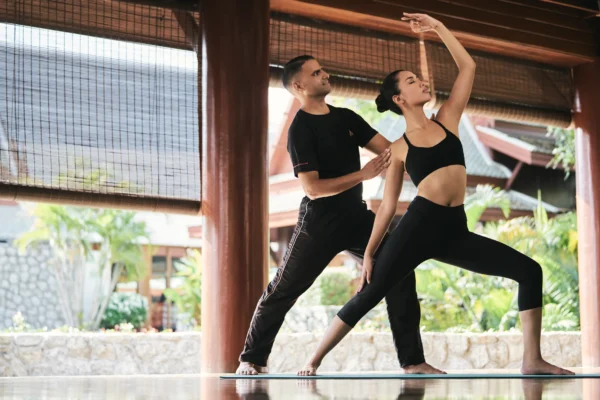
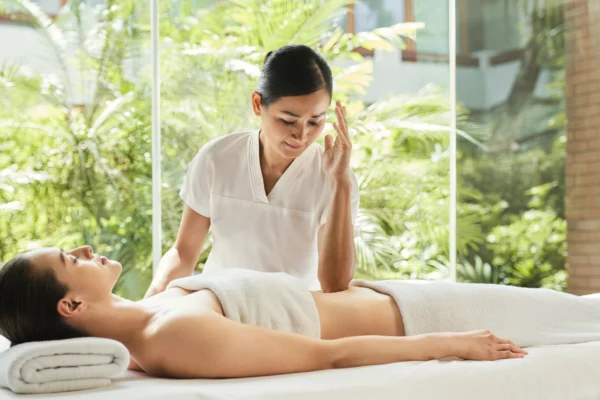
Open up your upper back and shoulders with a deep stretch. Lengthen the front of your body and bring your thoracic spine back into a neutral position. Mirror the movements involved in a Thai massage. This can help to ease tension when done periodically. Nuad is a Thai alignment session that aims to release thoracic tension which improves posture and breathing.
Box breathing and pranayama are great breathing techniques to activate your ‘rest-and-digest’ mode. Practice this for 5 minutes at 60-90 minute intervals to support the flow of oxygen and blood. This can improve mental alertness in a way that still feels paced and steady.
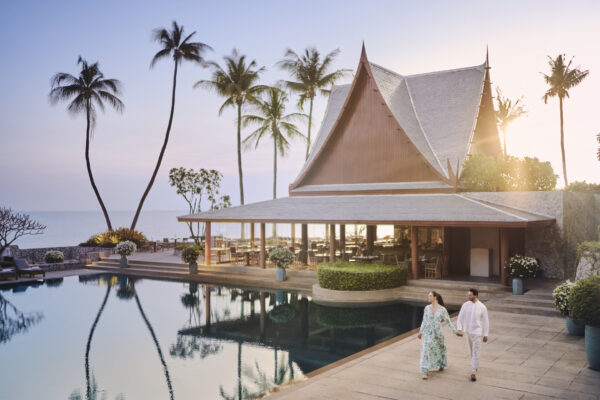
Go for a walk in a park or along the beach. Feel the breeze and listen to the sound of the birds. This is the perfect antidote to negative emotions associated with lengthy screen-time because we don’t always need neuronal stimulation. You may use your excursion away from the screen as a way to incorporate movement into your routine. Additionally, you may meditate as you walk to further deepen your body’s awareness and mindfulness.
Creating boundaries with our devices is just one piece of the puzzle. How we spend our time in the little moments away from our devices matter just as much. Small, consistent practices deliver measurable calm and resilience against the constant pull of the digital world.
Patience Sangwa, ND Naturopathic Doctor, Chiva-Som Hua Hin
A board-certified naturopath, Patience holds degrees in Naturopathy and Complementary Health Sciences from the University of the Western Cape. She specialises in nutrition, sleep, mental health, and lifestyle.