In the bustling work environments of cities, burnout has become an increasingly prevalent issue among professionals. A startling 82% of white-collar workers report experiencing burnout, according to a global survey by DHR Global. Left unchecked, stress can significantly influence eating habits; some lose their appetite, while others seek solace in high-calorie comfort foods.
The connection between nutrition and stress is particularly noteworthy, as selecting the right foods and practising mindful eating can help in stress relief. In this blog, we will explore effective dietary strategies on how to recover from burnout, focusing on foods that can contribute positively to a burnout diet.
Burnout is not just a buzzword; it’s a real condition that can insidiously take hold, leaving individuals feeling depleted and detached from joy and passions. When we’re under chronic stress, our body’s response systems, like the release of cortisol and adrenaline, can become dysregulated. People experiencing burnout might suffer from physical symptoms such as headaches, stomachaches, intestinal problems, chronic fatigue, insomnia, and frequent illnesses. Moreover, the emotional toll of burnout often manifests in behaviors like emotional eating. This imbalance makes it challenging to control one’s eating habits, leading to a cycle of stress eating that further complicates their ability to make positive changes in their behavior, especially concerning diet.
To effectively manage burnout, one should address multiple aspects such as altering lifestyle habits, seeking psychological support, and potentially consulting medical professionals. Often overlooked, however, is the foundational role that diet plays in this process, which we aim to highlight as a crucial element. In everyday life, the relationship between stress and nutrition is significant; stress impacts our food choices, while our dietary intake can, in turn, influence our stress levels. Beyond merely fueling our body, food acts as a powerful ally in building resilience, revitalizing energy, and fostering overall well-being, especially during times of burnout.
Neurotransmitters are chemical messengers dispatched by neurons to communicate with the brain and body, influencing the synthesis of mood-enhancing compounds such as dopamine, serotonin, and endorphins.Consuming foods rich in tryptophan provides the building blocks for serotonin synthesis, potentially improving mood and sleep quality. Similarly, a diet rich in tyrosine supports the production of dopamine, which can help counteract the negative effects of stress on motivation and focus.
Nutrients such as vitamin C and omega-3 fatty acids play crucial roles in regulating cortisol, a primary stress hormone. Vitamin C not only bolsters the immune system but also aids in reducing stress. On the other hand, omega-3 fatty acids have been demonstrated to directly impact cortisol levels. According to a study published in PubMed Central, supplementation with omega-3 fatty acids significantly lowers overall cortisol and inflammation during stress and increases levels of telomerase and anti-inflammatory activity during recovery.
Under stress, the body produces more free radicals, leading to oxidative stress. Antioxidant-rich foods, such as berries, dark leafy greens, nuts, and seeds, are high in antioxidants like vitamin E, flavonoids, and polyphenols. These compounds neutralize free radicals, reducing inflammation and cellular damage. This can help alleviate the physical symptoms of burnout like fatigue and frequent illnesses by promoting cellular repair and reducing oxidative stress.
Consuming complex carbohydrates can stabilize blood sugar levels. Foods like whole grains, legumes, and vegetables release glucose slowly into the bloodstream, preventing the rapid spikes and crashes in blood sugar that can lead to mood swings, irritability, and energy fluctuations.
A balanced gut microbiome has been linked to improved mood regulation and stress resilience. This is because the gut produces neurotransmitters like serotonin and communicates with the brain via the vagus nerve. Consuming enough fibrous foods, which serve as prebiotics, along with probiotics, can promote the growth of beneficial bacteria. This leads to better digestion, improved nutrient absorption, and a reduction in inflammation, all of which can positively impact mental health and stress management.
To effectively recover from burnout, integrating a well-balanced diet can significantly support your mental and physical health. Each meal can be an opportunity to support your body and mind, helping you to reclaim your energy, focus, and joy. In a burnout diet, here’s what you should be putting on your plate:
Now that we’ve covered the basics of crafting a burnout recovery diet, let’s delve into some specific foods that can act as your stress-relief superheroes:
Incorporating mentioned nutrition foods into your diet can provide you with an extra layer of support in your journey to recover from burnout. Remember, each bite can be an act of self-care, helping you to rebuild your resilience and reclaim your peace of mind. By focusing on not just what you eat but how you eat, you can further reduce stress and promote a healthier relationship with food. The basic practice of mindful eating includes:
If you’re struggling to find a starting point to beat burnout and need some external assistance, joining Zulal’s Burnout Recovery Retreat might just be the structured, holistic program you’ve been looking for. We’re here to help you with stress management, mental and emotional balance, and deep relaxation – the trifecta of burnout recovery.
First things first, you’ll get to know your personal Health and Wellness advisor right after you arrive. This isn’t just a chat; it’s your roadmap to recovery. We’ll dive into your current health status, set your goals, and tailor your experience with treatments and activities that are perfect for you. Want to go the extra mile? Opt for a body assessment or a nutrition consultation to fine-tune your program even more.
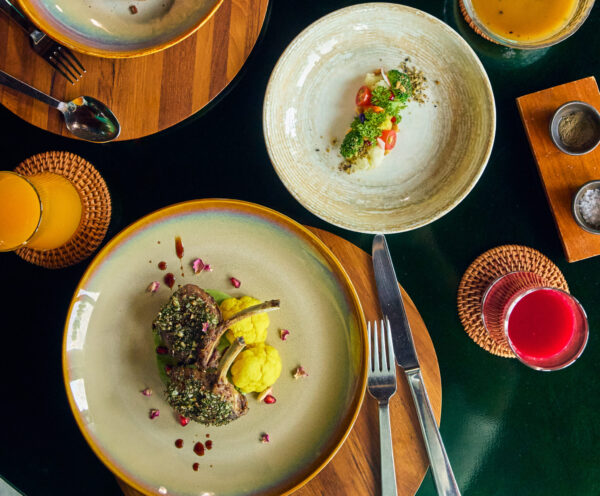
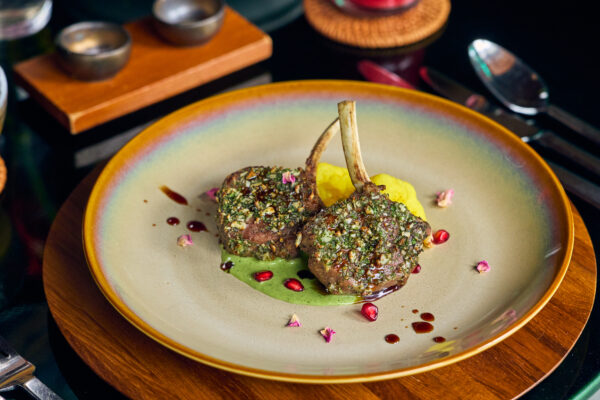
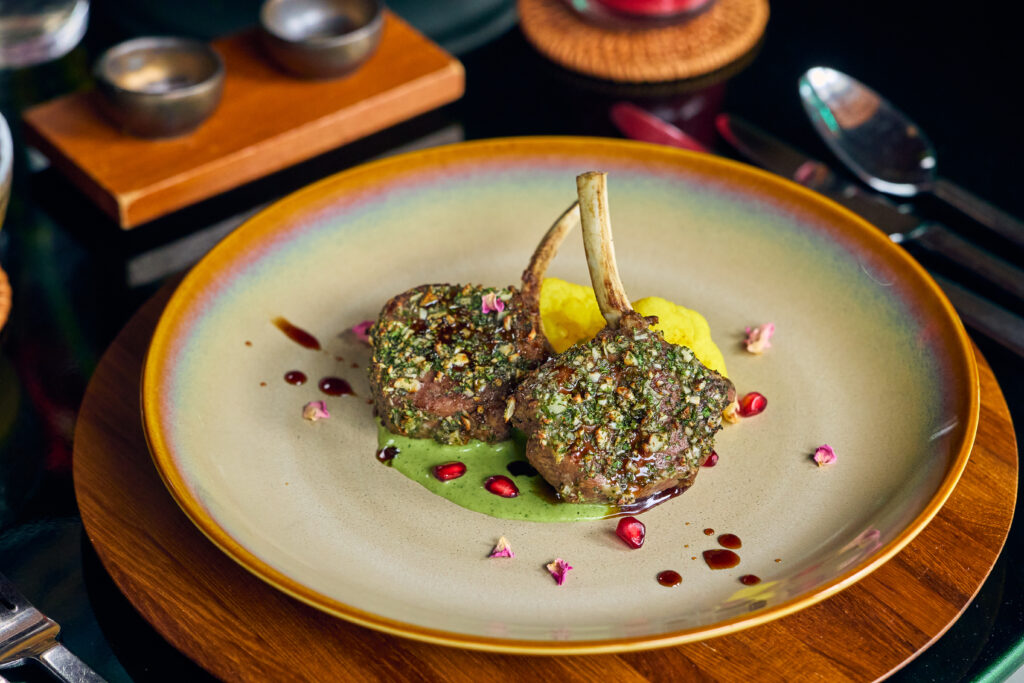
At Zulal, we believe that every meal is a step towards recovery. Our chefs whip up organic, whole foods in dishes that are not only nutritious but also a feast for the eyes and taste buds. It is predominantly gluten-free and sugar-free, yet it still delights with its rich flavors. Wellness cuisine integrates Traditional Arabic Islamic Medicine (TAIM) approach to diet, considering Quranic foods and healing herbs in menu planning, enhancing the healing properties of each dish. Imagine nourishing your body with flavors that comfort and heal, all while knowing that each bite is designed to support your journey back to balance.
The spa – your sanctuary within a sanctuary. Here’s where you’ll find treatments that are like magic for your mind and body. Craving some tranquility? Try Sound Healing, Abhyanga, Shirodhara, or a Crystal Aroma Massage to soothe your soul. Or, if you’re looking to rejuvenate your physical self, dive into treatments like Upper Body Tadleek or the Neurac Method. We’ve got you covered for both relaxation and recovery.
Recovery isn’t just about resting; it’s also about gentle movement. Zulal Wellness Resort by Chiva-Som provides a range of fitness and leisure activities to complement your burnout recovery. Whether it’s practicing yoga to find your zen, taking a leisurely swim in our pristine pools, or simply enjoying the serene beauty of nature, we’ve got activities that’ll help you find that perfect balance of activity and rest.
Our exploration of burnout recovery has shown the significant impact nutrition and mindful eating can have on mental health and overall well-being. Remember, combating burnout isn’t just about the food on your plate; it’s about nurturing a lifestyle that promotes balance and peace. Whether you choose to embark on this journey with us at Zulal or on your own, know that recovery is possible. Here’s to reclaiming your energy, focus, and joy, one mindful bite at a time.