Lymphatic Drainage massage is a gentle treatment that uses light, rhythmic movements to encourage lymphatic fluid to move through the body. Unlike a traditional massage, which often focuses on muscular tension, it works closer to the skin’s surface and supports fluid drainage. It may help manage certain types of swelling and offers a soothing alternative for people who prefer a lighter touch.
At Chiva-Som in Hua Hin, Lymphatic Drainage treatments form part of a personalised approach to wellbeing. A health and wellness consultation helps determine which therapies suit your health, preferences and reasons for visiting.
Lymphatic Drainage massage is a specialised massage technique that uses gentle, carefully directed strokes to encourage the movement of lymphatic fluid. Also known as manual Lymphatic Drainage, it focuses on fluid movement rather than working deeply into the muscles.
The lymphatic system is a network of vessels, nodes and organs that helps maintain fluid balance and supports immune function. It collects excess fluid from tissues and returns it to the bloodstream. Unlike blood circulation, it does not have a central pump such as the heart. Breathing, physical movement and muscle contractions help keep lymph flowing.
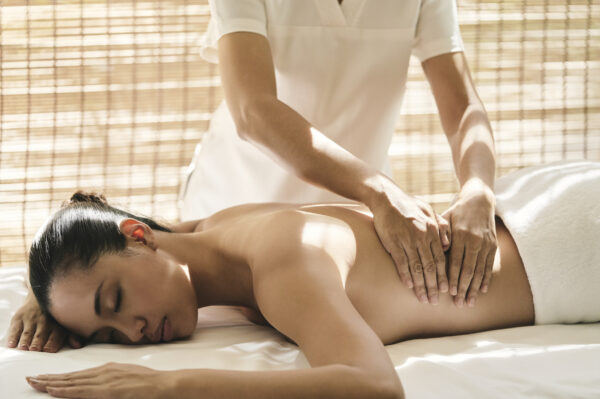
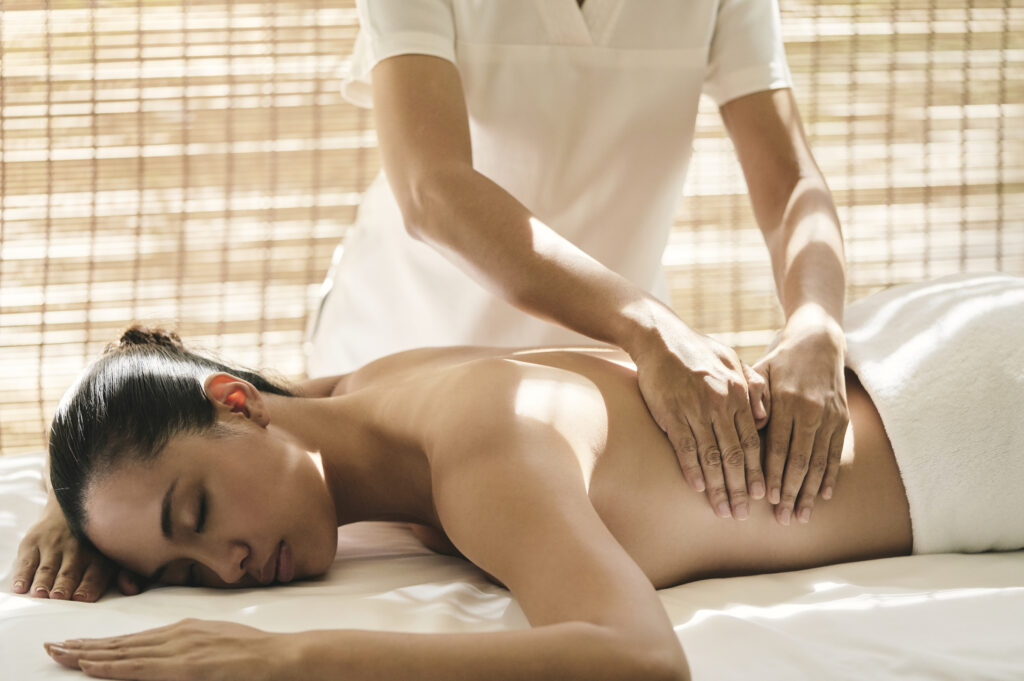
During a Lymphatic Drainage massage, the therapist works lightly on the skin, following a planned sequence to encourage fluid towards functioning drainage pathways. The movements are slow and repetitive, with much less pressure than a deep tissue massage.
The main differences lie in the systems targeted, the purpose, and the pressure used during treatment. Muscle-focused massage, such as Swedish or deep tissue massage, addresses tension through techniques such as kneading and varying levels of pressure, primarily targeting the musculoskeletal system and supporting circulation. Lymphatic Drainage uses a much lighter touch and a planned sequence of movements to support fluid drainage, targeting superficial lymphatic vessels and lymph nodes beneath the skin. A firmer massage is not necessarily a more effective lymphatic treatment.
For guests accustomed to deep tissue massage, the lightness may feel unfamiliar at first. There should be no need to tolerate painful pressure for the treatment to serve its purpose.
The benefits of Lymphatic Drainage vary from person to person. The treatment may help when fluid is not draining effectively, but someone whose lymphatic system already functions well may notice little physical change.
Gentle, directed movements encourage excess fluid towards areas where it can drain more effectively. Supporting that movement is the central purpose of the treatment, rather than relieving deep muscular knots or tension.
For suitable individuals, Lymphatic Drainage may help reduce swelling associated with fluid build-up and ease the accompanying feeling of heaviness. Facial lymphatic massage may also help lessen some puffiness. Results depend on the cause of the swelling and should not be assumed for everyone. A less puffy appearance reflects a change in fluid, not a permanent alteration to the face or body.
The lymphatic system is part of the body’s natural immune network, transporting immune cells and filtering lymph through lymph nodes. Lymphatic Drainage focuses on fluid movement within this system, offering a gentle treatment that can form part of a wider wellbeing routine.
The light touch and unhurried pace can provide a restful experience, particularly for guests who find deeper massage uncomfortable. Relaxation may be the most noticeable part of the session for someone who does not have concerns about Lymphatic Drainage.
Lymphatic Drainage may suit guests who prefer a gentle massage or want support with water retention and puffiness in the face or legs. Once the cause of swelling has been assessed, its light, rhythmic movements may help manage fluid build-up while offering a calm, restful treatment experience.
After a long flight, some guests may feel sluggish or notice puffiness in their legs. A gentle treatment can be a relaxing addition to their stay, although new swelling after travel needs medical attention, particularly if it affects one leg or comes with pain, warmth, or redness.
Lymphatic Drainage may also help manage post-surgical swelling when recommended by the treating healthcare professional and performed by a suitably trained practitioner.
Before booking, share any relevant health conditions or recent procedures with the wellness team. Lymphatic Drainage should be avoided if you have suspected or confirmed blood clots, deep vein thrombosis, an active infection, cellulitis, or fever. Any new or unexplained swelling should be assessed before massage.
At Chiva-Som, your individual health and wellness consultation is an opportunity to discuss your concerns and choose treatments that suit your needs and retreat goals.
Knowing how a treatment unfolds can make a first visit feel more comfortable. Lymphatic Drainage is generally a gentle experience, with time to discuss preferences before the massage begins.
Explain any swelling, tenderness, recent procedures or areas you would prefer not to have treated. The consultation is also a chance to ask about pressure, positioning and the areas included in the session. Treatment suitability should be established before massage begins.
At Chiva-Som, clothing preferences and treatment boundaries can be discussed with the therapist. Towels cover the parts of the body not being treated, helping preserve comfort and privacy throughout the session.
Expect light, slow movements rather than vigorous kneading. The therapist follows the body’s drainage pathways and may work beyond the area where puffiness is most noticeable. The treatment therefore has a deliberate sequence rather than focusing only on one isolated spot.
There is no need to tolerate painful pressure. Tell the therapist about discomfort or any adjustment that would help you settle, from positioning to room temperature.
Some people feel relaxed or notice less swelling afterwards, while others see little immediate difference. A visible change is not guaranteed after a single session. Any unexpected discomfort or symptoms should be shared with the practitioner. Feeling unwell should not be dismissed as a sign that the treatment is “releasing toxins”.
Lymphatic Drainage is sometimes described as a way to “flush out toxins”, but the more accurate explanation is that it supports fluid movement. Lymphatic fluid returns to the bloodstream, while organs including the liver and kidneys carry out the body’s essential waste-processing functions. Massage should not be presented as a whole-body cleanse.
It is not a fat-loss treatment either. Reduced puffiness or swelling reflects a change in fluid rather than a reduction in body fat. A temporarily lighter appearance should not be confused with lasting weight loss.
For guests interested in weight management, the focus should remain on a broader, personalised approach to nutrition, movement and everyday habits rather than the promise of slimming through massage. At Chiva-Som, a Sustainable Weight Management retreat combines a personalised fitness programme, a tailored diet, and complementary treatments such as massage. While fitness and nutrition support weight-management goals, massage offers relaxation and helps guests unwind as part of their retreat experience.
Chiva-Som offers Manual Lymphatic Drainage and Therapeutic Lymphatic Drainage, with different durations and approaches to suit individual needs. Manual Lymphatic Drainage begins with full-body skin brushing, followed by a very light, slow massage focused on lymphatic circulation. Therapeutic Lymphatic Drainage uses gentle, rhythmic hands-on movements to encourage lymphatic fluid movement.
The Chiva-Som Health & Wellness Guidebook lists the following treatment options:
| Treatment | Duration | Treatment focus |
| การนวดระบายน้ำเหลืองด้วยมือ | 45 minutes | Legs, arms and back. |
| การนวดระบายน้ำเหลืองด้วยมือ | 80 minutes | Full body and face. |
| Therapeutic Lymphatic Drainage | 50 minutes | Gentle, rhythmic techniques to support lymphatic flow, with treatment areas discussed during the consultation. |
The wellness team can advise on the most suitable treatment according to personal needs and preferences. Current durations, availability and retreat inclusions should be confirmed when planning a stay.
Discover Chiva-Som’s treatments in Hua Hin, including Lymphatic Drainage and other restorative therapies. For a stay focused on relaxation, refreshed skin and personalised spa care, explore the Spa Wellbeing retreat. Guests interested in a broader nutrition-led programme can also view the Art of Detox retreat. Discuss your health and priorities with the team to choose suitable treatments and a retreat length that gives you time to settle into the experience.
Chiva-Som offers a range of Lymphatic Drainage massage treatments, with prices varying according to the duration and any additional treatments selected. Please refer to the Chiva-Som Health & Wellness Guidebook or contact the Chiva-Som Reservations team for current rates.
Unfortunately, Lymphatic Drainage massage and other spa treatments at Chiva-Som in Hua Hin are reserved for in-house guests. To enjoy a session, plan a retreat stay and discuss your treatment preferences with the wellness team.
Chiva-Som offers Manual Lymphatic Drainage in 45-minute and 80-minute sessions, alongside a 50-minute Therapeutic Lymphatic Drainage treatment. The wellness team can advise on suitability and confirm current durations and availability before your stay.