Weight loss is not that tricky once you get the basics down. However, the internet plays a massive role in confusing people. Some websites promise quick results and some promise rules that sound simple, but in the end, they just leave people hungry, tired and frustrated.
This guide will help you understand what a crash diet is, why it often fails and how you can achieve your weight loss goal sustainably. We’ll also share practical steps to support healthy, sustainable weight loss without extreme plans or all-or-nothing thinking.
A crash diet is a plan that forces rapid weight loss through sharp calorie cuts, strict food rules or “detox”-style routines that most people cannot keep up with for long.
A common pattern of a crash diet looks like this:
If a plan feels punishing and doesn’t fit into your work and family life, then it’s not for you.
When you cut down your calories too aggressively, your body might play along at first, but it doesn’t take long to push back. Hunger ramps up, energy dips and suddenly your workouts feel heavier, your mood less stable and everyday tasks more draining. Eventually, the plan ends and people go back to their old habits, often accompanied by extra hunger, fatigue and a hit to their confidence. It’s important to understand that sustainable change isn’t about depriving your body, but it’s about finding a rhythm your body can actually live with.
Another thing that people often overlook while following crash diets is that rapid weight loss can increase the risk of gallstones. This happens in part because the liver releases extra cholesterol into bile that may not empty well.
A plan that collapses after two weeks does not help, even if the scale changes fast.
| Topic | Crash dieting | Steady change |
| Main promise | Quick results | Results that last |
| How it feels | Strict, tiring, isolating | More flexible, more normal |
| Food approach | Rules and bans | Habits and patterns |
| Health risks | Higher chance of side effects | Lower risk when guided well |
| Maintenance | Hard to keep | More realistic long-term |
People hear the word “sustainable” and immediately think about slow progress that never feels rewarding. But real sustainable weight-loss methods feel different and feature a routine that anyone can follow every day without feeling overwhelmed or burned out.
People who lose weight gradually, about 1 to 2 pounds per week, are more likely to keep it off than those who lose weight quickly. The process needs consistency, not intensity, which is the backbone of healthy, sustainable weight loss.
You don’t need a perfect plan, you just need one that feels normal. Here are some ideas to help achieve sustainable weight loss in day-to-day life:
A balanced plate reduces guesswork and also helps with portion control. Stick to the core healthy diet basics: fill half your plate with vegetables and fibre, quarter of it with protein and carbs and add healthy fats in moderation.
Tip: At lunch, add one extra serving of vegetables and a protein source before you change anything else. That one change often reduces snack cravings later.
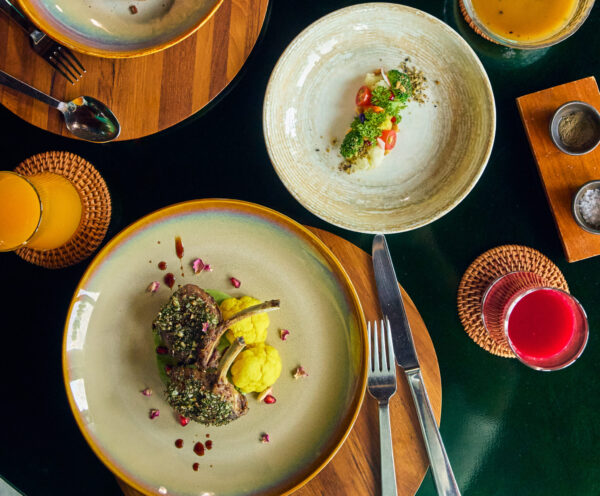
At Chiva Som, the cuisine is delicious, nutritious and creative, with restaurants that focus on whole, natural ingredients and many vegetables and herbs from a certified organic garden. This style of eating supports healthy, sustainable weight loss by reducing cravings and stabilising energy levels.
Crash dieting feels dramatic because it gives you visible results quickly and that’s not really sustainable. However, real progress means consistency, which feels boring. That is good news. Boring means repeatable and repeatable means results that stick, without having to constantly restart your weight-loss journey from the start.
Many people believe that intense workouts and endless cardio are the fastest way to lose weight. While high-intensity exercise works well for some, it can be unsustainable for others, leading to fatigue, injury or burnout. In contrast, consistent, enjoyable movement like taking a brisk walk after dinner, strength training 2-3 times a week or low-impact activities like swimming delivers better long-term results.
Chiva Som Hua Hin offers a range of daily activities across indoor, outdoor, pool and beach settings, with guidance from a Health and Wellness Advisor to build a routine that fits their lifestyle. This personalised approach helps people stay consistent with movement even after they return home, supporting sustainable weight management.
Sleep and stress significantly impact weight loss. Getting too little sleep can increase cravings and leave you low on energy, while ongoing stress can lead to emotional eating. When you prioritise rest and find ways to unwind, healthy choices feel easier and sustainable weight loss becomes far less of a struggle.
Some people do well with self-guided routines while others want a reset with professional guidance and a clear schedule. Chiva Som’s sustainable weight management programme includes a consultation with a health and wellness advisor and a selection of services, including body composition analysis, personal training, nutritional consultation and a programme-specific blood test. This matters because many people searching for the best way to lose weight don’t need strict rules but need clarity, feedback and a plan that fits their health status and lifestyle.
Looking for a calmer, more sustainable approach to weight loss? Discover how expert guidance, balanced nutrition and supportive routines can help you create lasting change, without extremes.
Set realistic goals, eat balanced meals, prioritise movement, sleep enough and manage stress. Track your progress weekly, adjust habits slowly and get support from a clinician or dietitian.
Crash diets can trigger rebound eating, muscle loss and poor nutrient intake. Rapid weight loss can also increase the risk of gallstones and repeated weight-loss-gain cycles can worsen this risk.
The best way to lose weight is through consistent and gradual change: balanced eating patterns, regular activity, enough sleep and stress management. Aim for steady progress, not quick fixes.
References